
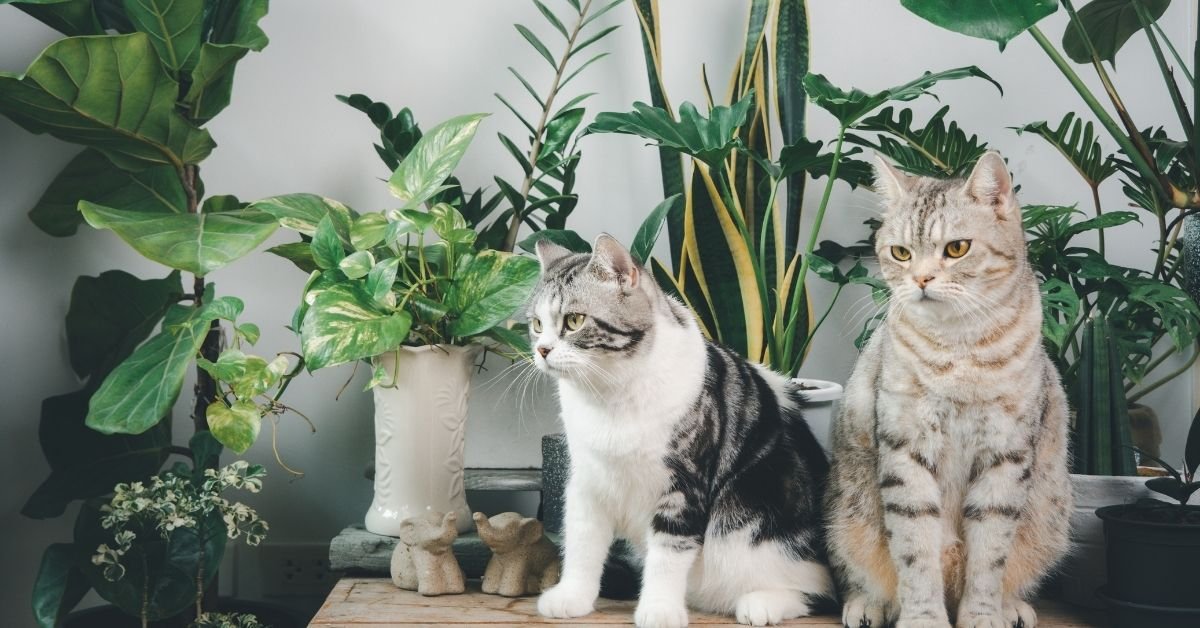
3 Beginner Friendly Cat Safe Plants I Actually Own
Not all plants are safe for your pets, and some of the most toxic plants will shock you. I adopted not one, but TWO cats about a year ago, and as someone who has NEVER owned a cat before, it has been an interesting ride. I also haphazardly decided to take up indoor gardening as my latest fixation/hobby, and quickly ran into a major problem: keeping plants and keeping cats safe don’t always go together.
I swear 99% of everything is toxic to cats! I’ve always had dogs, and it feels like the list is much shorter for them. So I found myself with a dilemma: how do I pursue indoor gardening AND keep my cats… ALIVE? As a hobby girl, a wave of depression hit my body, but then I remembered that they can’t ALL be toxic, right? The correct answer was to find the cat safe plants and HOPE I found a species I like. If you are in a similar situation, or are just interested in plants that are not toxic to cats, this article is for you.
The American Society for the Prevention of Cruelty to Animals published a full list of plants that are both toxic and non-toxic to cats, which has been extremely helpful on my hunt. Here are the top 3 that I own.
This post contains a few affiliate links. If you shop through them, I may earn a small commission at no extra cost to you. Thanks for supporting the blog!
Hoya (Wax Plant)
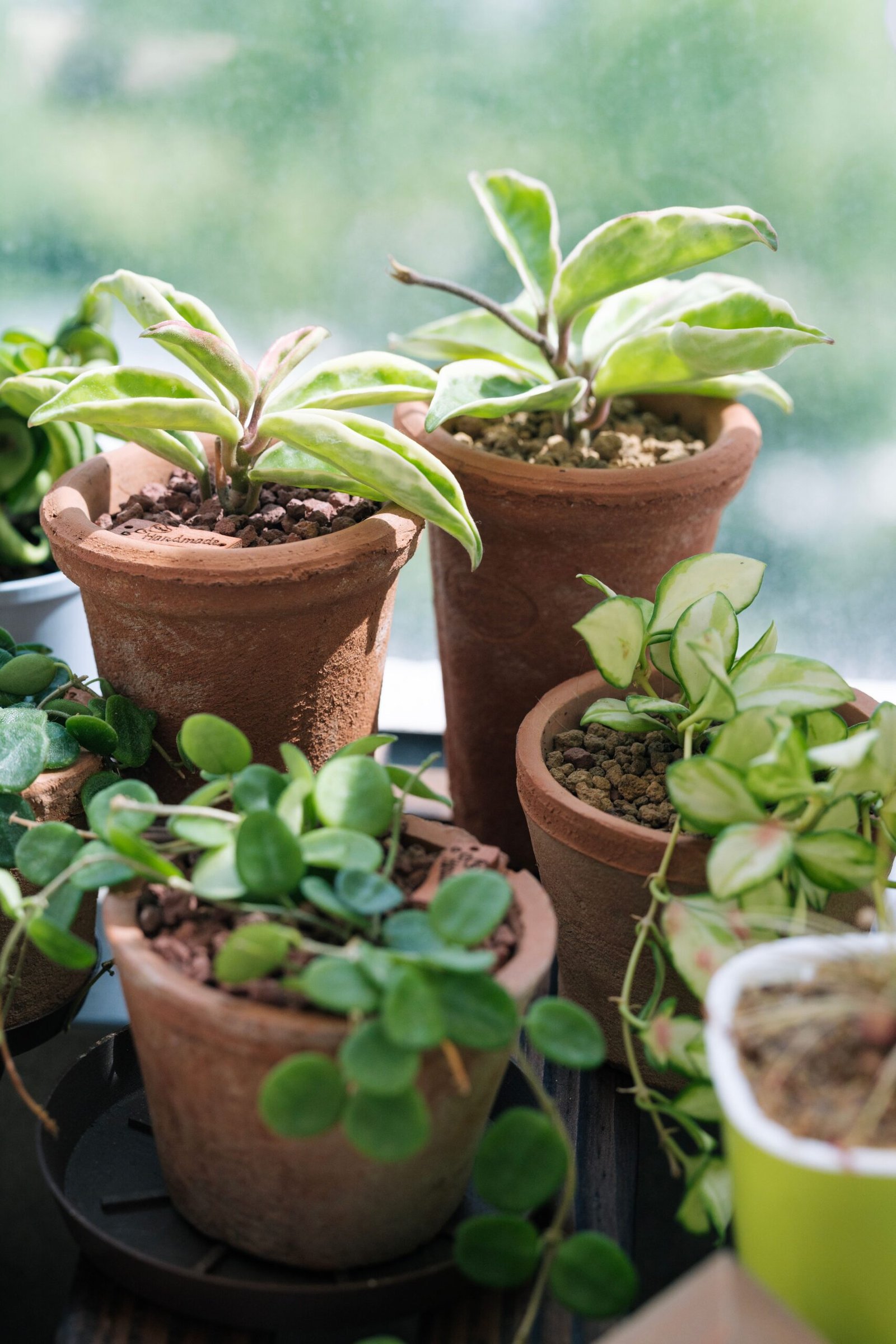
Out of the 12-14 plants I currently own (it escalated REALLY quickly), a large majority are Hoyas. A huge appeal of the Hoya plant is that there are over 500 species to choose from, each with different variegations, structures, and care needs.
Hoyas, aka “wax plants,” are trailing plants with thick, glossy leaves that almost look fake (like wax), and when they’re happy, they bloom into these cute little star-shaped flower clusters!
In my opinion, they’re excellent beginner-friendly plants because they’re pretty easy to keep alive: give them bright, indirect light, don’t stress too much about watering (I water mine biweekly, depending on the soil), and they’ll happily climb a trellis or spill out of a hanging basket.
I currently own: Krimson Queen (x2), Australis, Australis Lisa, Limoncello, & Quinquenervia.
I purchased the majority of these from BWH Plant Co. and haven’t had any issues with any of my plants from them! (Manifesting working with them one day!)
Peperomia
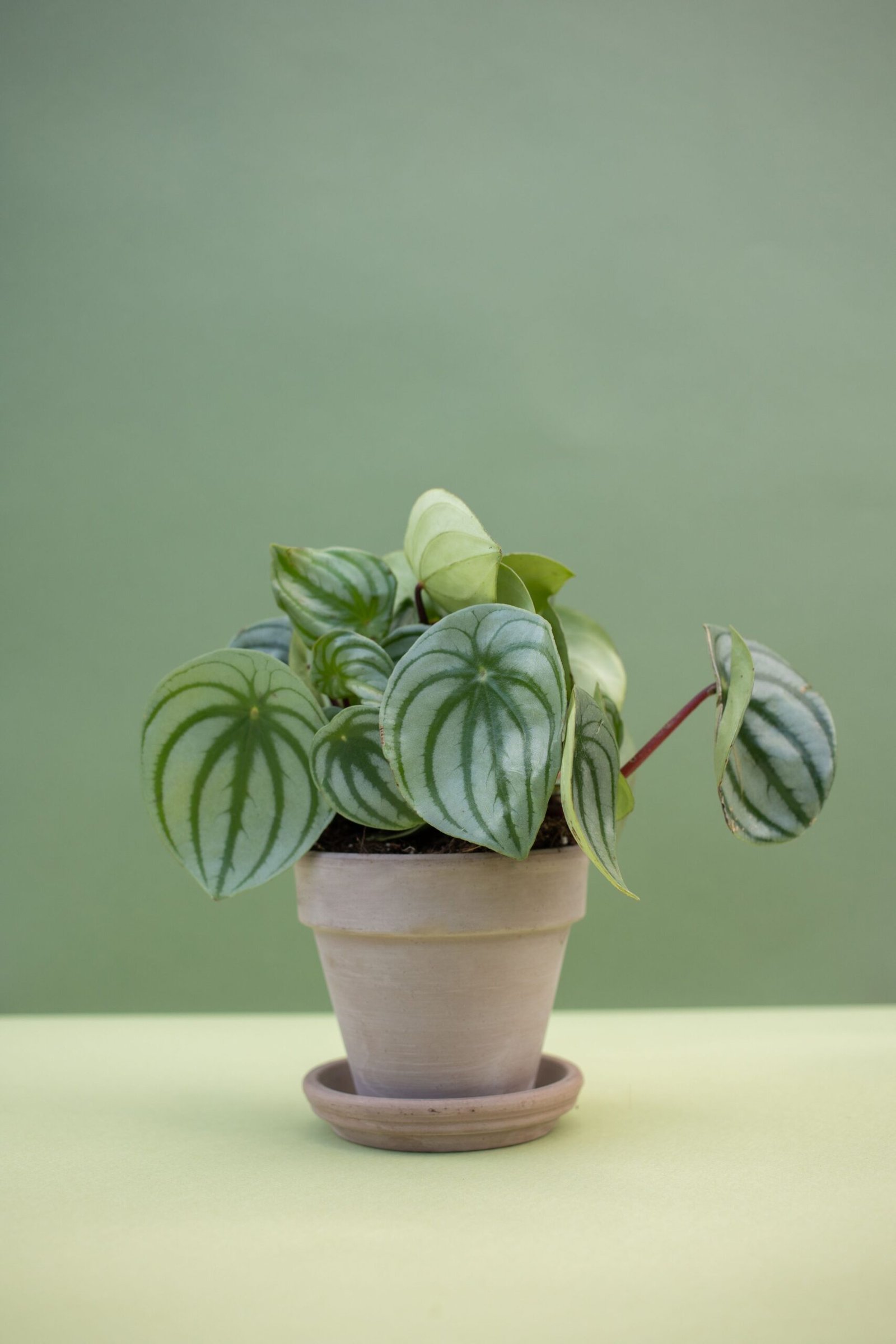
My second favorite beginner-friendly plant would have to be the Peperomia. Although this plant doesn’t have nearly as many species as the Hoyas, I think each one is so different that it’s fun to collect. I water these on a similar schedule as my Hoyas, and they seem to love it.
This diverse group of compact plants comes in all kinds of textures and patterns. Most stay small and manageable, making them great for desks, side tables, or shelves, and many have thick, succulent-like leaves.
The watermelon peperomia (pictured) is honestly one of the prettiest plants on this list — those thick, rounded leaves with the silvery stripes genuinely look like tiny watermelon rinds, which is such a fun detail. It’s also one of the most popular varieties for a reason: it’s just as low-maintenance as the rest of the Peperomia family, but it looks way more “high effort” than it actually is, which I’m always here for.
Peperomias really are the ultimate “I don’t have a green thumb but I still want plants” plant. They like bright, indirect light but can tolerate lower light too, and honestly can survive if you forget about them for a week or so. In my opinion, they’re excellent beginner-friendly plants because they’re pretty easy to keep alive. I water mine biweekly
I currently own: Red Edge Peperomia & Owl Eye Peperomia.
I purchased the Red Edge from BWH Plant Co and the Owl Eye from a local Nashville shop
Money Tree (Pachira Aquatica)
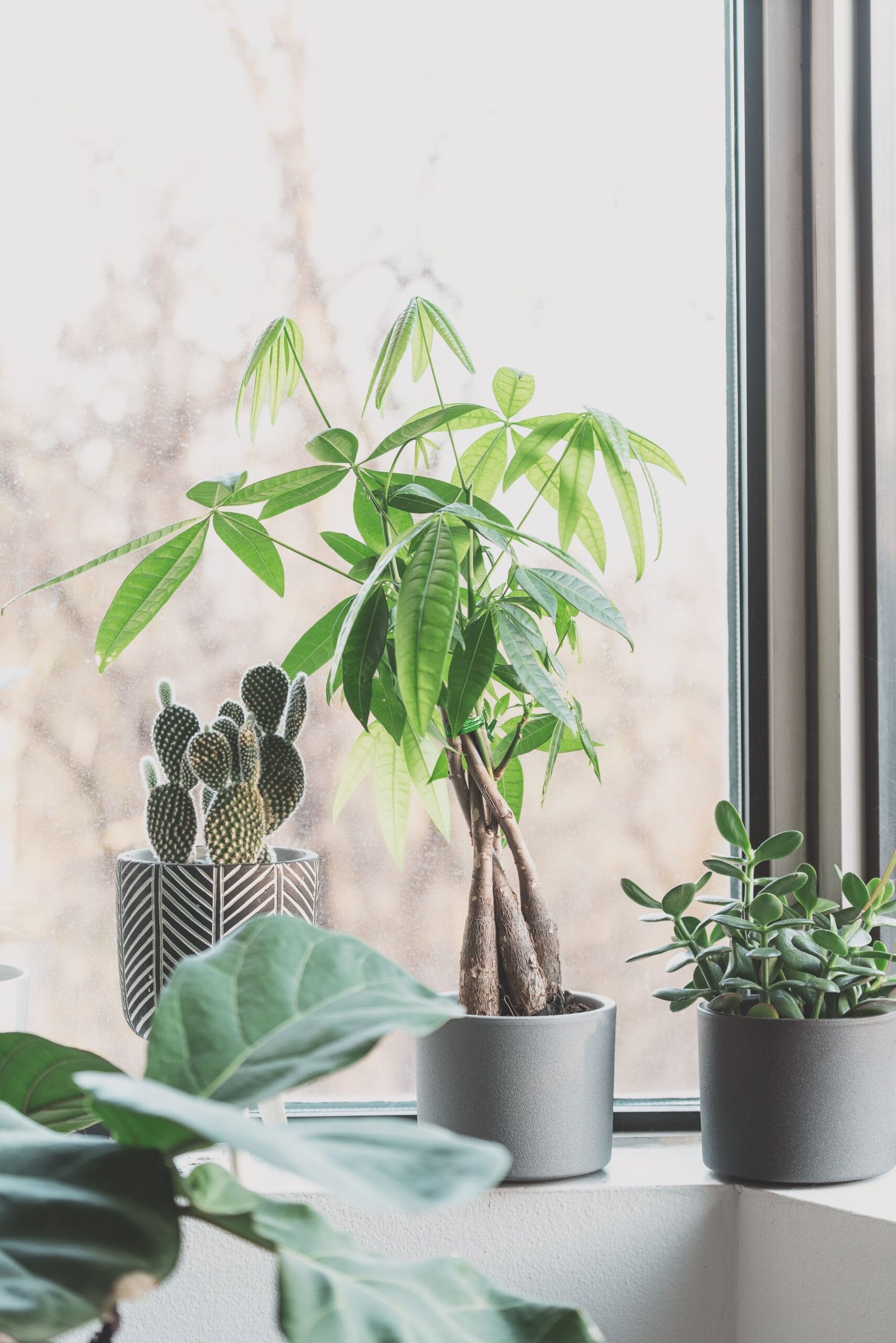
The Money Tree (Pachira aquatica) was my very first plant, and let’s just say it’s been through a lot with me. I currently have two, and despite my rookie mistakes, they’re thriving proof of just how resilient this plant is.
My first Money Tree survived direct sunlight (do not do this, I learned that the hard way; they actually prefer bright, indirect sunlight), my cat Marbles repeatedly falling on top of it and damaging the branches, and even a springtail infestation. Through all of that, it kept bouncing back, which says a lot about how forgiving this plant really is.
Similar to the Hoya, Money Trees don’t require frequent watering and prefer a chunkier soil mix. I water mine biweekly, and I picked up my money tree soil from Amazon here. Since their leaves are much thinner than Hoya leaves, I’ve noticed my cats nibbling on them fairly often, though never to the point of actually eating them. Good news either way, since Money Trees are non-toxic to cats.
I got my first Money Tree from a local Lowe’s, but my second from BWH Plant Co, and honestly, the quality difference was noticeable, with the BWH plant being much healthier.
Excited to watch these babies keep growing!
Conclusion
At the end of the day, indoor gardening with cats doesn’t have to be a constant game of “will this kill my cat if they lick it.” With a little research (shoutout to the ASPCA’s list) and some trial and error, you really can build a jungle you love without putting your furry roommates at risk. My Hoyas, Peperomias, and Money Trees have survived direct sunlight, curious cat paws, and my own beginner mistakes, so if I can keep these alive, you probably can too. If you’re just getting started, I hope this list gives you a solid starting point.
Got a cat safe plant you swear by? Drop it in the comments, I’m always looking for my next addition (don’t tell my wallet).